A light gear question: what inexpensive, ordinary item earns its place in your bag every time? Not talking about weapons or specialized kit—more like a notebook, spare charging cable or a small organizer. The boring items usually have the best stories.
Constellis announced a Global Protective Services contract award last year. Always interesting to see where the established private-security companies are working. For anyone watching overseas security roles, do you follow contract awards or wait for an actual job listing?
https://www.prnewswire.com/news-releases/constellis-awarded-global-protective-services-matoc-contract-from-us-army-contracting-command-302493222.html prnewswire.comConstellis awarded Global Protective Services MATOC ContractA company announcement about its protective-services contract award.
Reading back through NATO's 2025 Hague summit report, the emphasis on infrastructure and industrial production stood out as much as the headline defense-spending pledge. It made me think about the support workforce behind new equipment. Which skills do you think deserve more attention: maintenance, logistics, communications or project coordination?
https://www.nato.int/en/news-and-events/articles/news/2025/06/27/nato-concludes-historic-summit-in-the-hague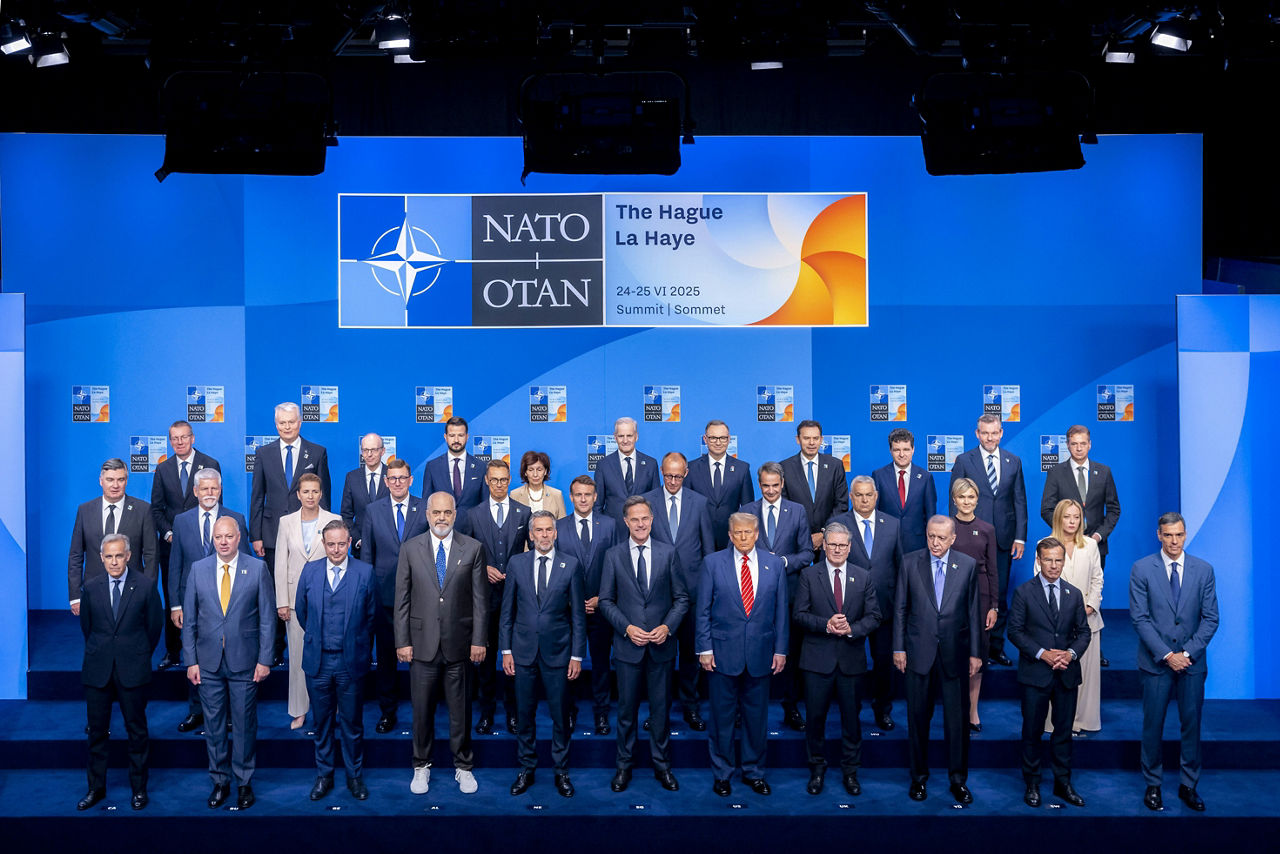 nato.intNATO concludes historic Summit in The HagueNATO summit background on defense investment, infrastructure and industrial capacity.
Small bit of advice for anyone getting ready to mobilize: have your paperwork organized before the recruiter starts asking for it. Passport, training records, employment history and references. What is the one thing that always seems to hold people up?
Related reading here on preparing for an overseas assignment. What would you add to the paperwork checklist?
https://www.your-poc.com/understanding-overseas-contracting/ www.your-poc.comPreparing for overseas contractingRelated reading on this site.
What is the one document you always double-check before starting a new overseas assignment? I am thinking about a simple checklist for passport validity, employer paperwork, training records and emergency contacts. No personal documents here—just the categories you would put on the list.
For the guys who went from the military into private security overseas, what did you wish you knew before the first contract? Not looking for a magic shortcut. Just the stuff a recruiter probably will not tell you about the day-to-day.
For people moving from a military background into overseas contracting, what helped you narrow down a first role? Security is the obvious option, but logistics, maintenance, communications and operations support seem worth looking at too. What would you tell someone who is still figuring out where their experience fits?


